
4 Ways To Increase Safety in the Construction Industry
A construction safety program needs more than a calendar of classes. Employers need to connect training to the work assigned, check understanding, and keep the program relevant as conditions change. These four actions can help organize that effort.
1. Match New-Hire Training to Assigned Work
Begin with the employee’s role, the equipment involved, and the hazards at your site. Review previous training rather than assuming either that a new hire knows nothing or that an existing card covers every task. Identify what instruction and evaluation the employee needs for the work you plan to assign.
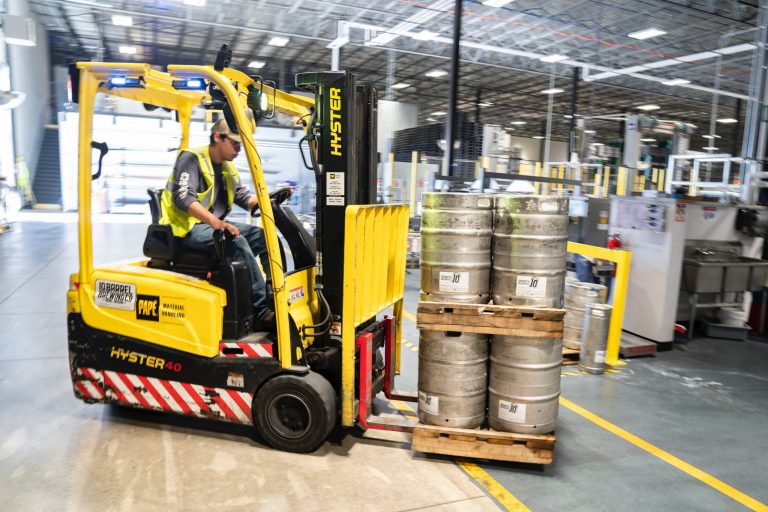
For powered industrial trucks, OSHA describes a combination of formal instruction, practical training, and workplace evaluation. A course certificate alone is not a substitute for evaluating the operator’s ability to work safely. See OSHA’s forklift training guidance and NSP’s forklift operator safety training overview.
Other equipment and tasks have their own requirements. Keep crane certification preparation, operational safety training, and general site orientation distinct when planning a new employee’s training.
2. Plan Follow-Up Around Changes and Performance
A single annual refresher date is not enough to describe every training need. Review the applicable requirements when equipment, tasks, or working conditions change, and when observations reveal a gap in safe performance.
For example, OSHA’s forklift guidance identifies refresher-training triggers such as unsafe operation, an accident or near miss, and relevant equipment or workplace changes. It also calls for operator performance evaluation at least once every three years. That interval is specific to this requirement; it is not a universal renewal period for every construction course.
Keep a record of the training provided, evaluations completed, and follow-up actions. Ask the training provider which records are included and what the employer needs to arrange at the workplace.
3. Connect Hazard Awareness to Site Procedures
Workers need to know how to report hazards, injuries, and near misses, who to contact with safety questions, and what to do in an emergency. Explain the procedures used at your site in a way workers can understand. OSHA’s education and training guidance addresses these program-awareness topics.
An OSHA 10- or 30-hour course can support hazard awareness. However, OSHA explains that Outreach courses are not certifications and do not fulfill the training requirements of specific standards. Plan task-specific instruction as well.
For employees who handle loads or direct crane movement, discuss rigging and signal person training. For employees working from elevated platforms, review the relevant MEWP training needs.
4. Check Whether Training Is Working on Site
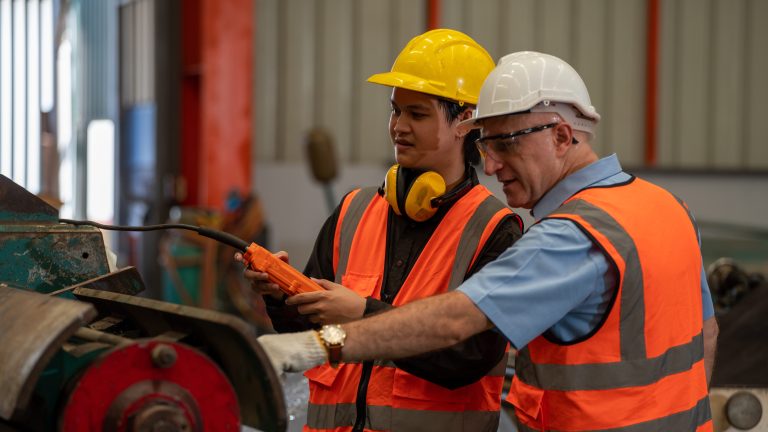
Use observations and conversations with the crew to check understanding. Ask workers to explain how they will handle the hazards in their assigned task and where they would report a problem. When an issue appears, consider whether the cause involves knowledge, equipment, procedures, supervision, or another control.
OSHA’s hazard-control guidance recommends following up to confirm that controls are effective. A safety meeting can identify a concern, but the program also needs an assigned action and a check that the concern was addressed.
Prepare for a Training Discussion
- Which tasks and equipment will the employees use?
- What training and experience do they already have?
- What workplace evaluations and documentation are needed?
- What site conditions or recent changes should the instructor know about?
For the broader business context, read about five construction risk areas that training can help address. To discuss your crew’s needs with National Safety Partners, send the equipment, location, crew size, and preferred dates through the quote form.